
Through its research, teaching, and course development, the Stanford GSB political economy group has consistently led the way in business schools’ awakening to the enormous impact of nonmarket forces on business practice and performance.
Political economy courses blend cutting-edge research with contemporary business cases. Spanning theory and practice as such provides future managers with systematic frameworks for understanding behavior outside the traditional sphere of markets. Important features of the nonmarket environment include strategic aspects of NGOs and activists; business-government relations in lawmaking, rulemaking, and regulation (locally and globally); the legal environment of business; and the interplay of strategy and ethics.
The political economy faculty is composed of world-class economists and political scientists whose research epitomizes the unique benefits of rigorous interdisciplinary social science. The faculty not only strives for excellence in its own research and teaching but also takes pride in its incomparable Stanford GSB PhD Program, which regularly trains the world’s best new political economists.
Recent Publications in Political Economy
Media and Intraparty Ideological Movements: How Fox News Built the Tea Party
Veto Players and Policy Development
When Can Individual Partisanship Be Tempered? Mass Behavior and Attitudes Across the COVID-19 Pandemic
Jobs & Placement
Faculty
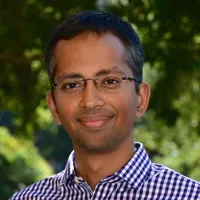
Avidit Acharya
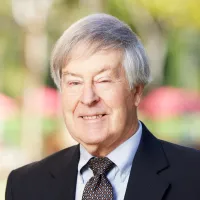
David P. Baron

Jonathan Bendor (1950–2025)

David W. Brady

Paul Brest

Steven Callander

Brandice Canes-Wrone

Katherine Casey

Andrew B. Hall

Bård Harstad

Saumitra Jha

Daniel P. Kessler

Woojin Kim

Keith Krehbiel

Neil Malhotra

Gregory J. Martin

Condoleezza Rice

Ken Shotts
Lecturers


Recent Insights by Stanford Business
Why AI Makes This ‘The Most Exciting Time to Be a Social Scientist’
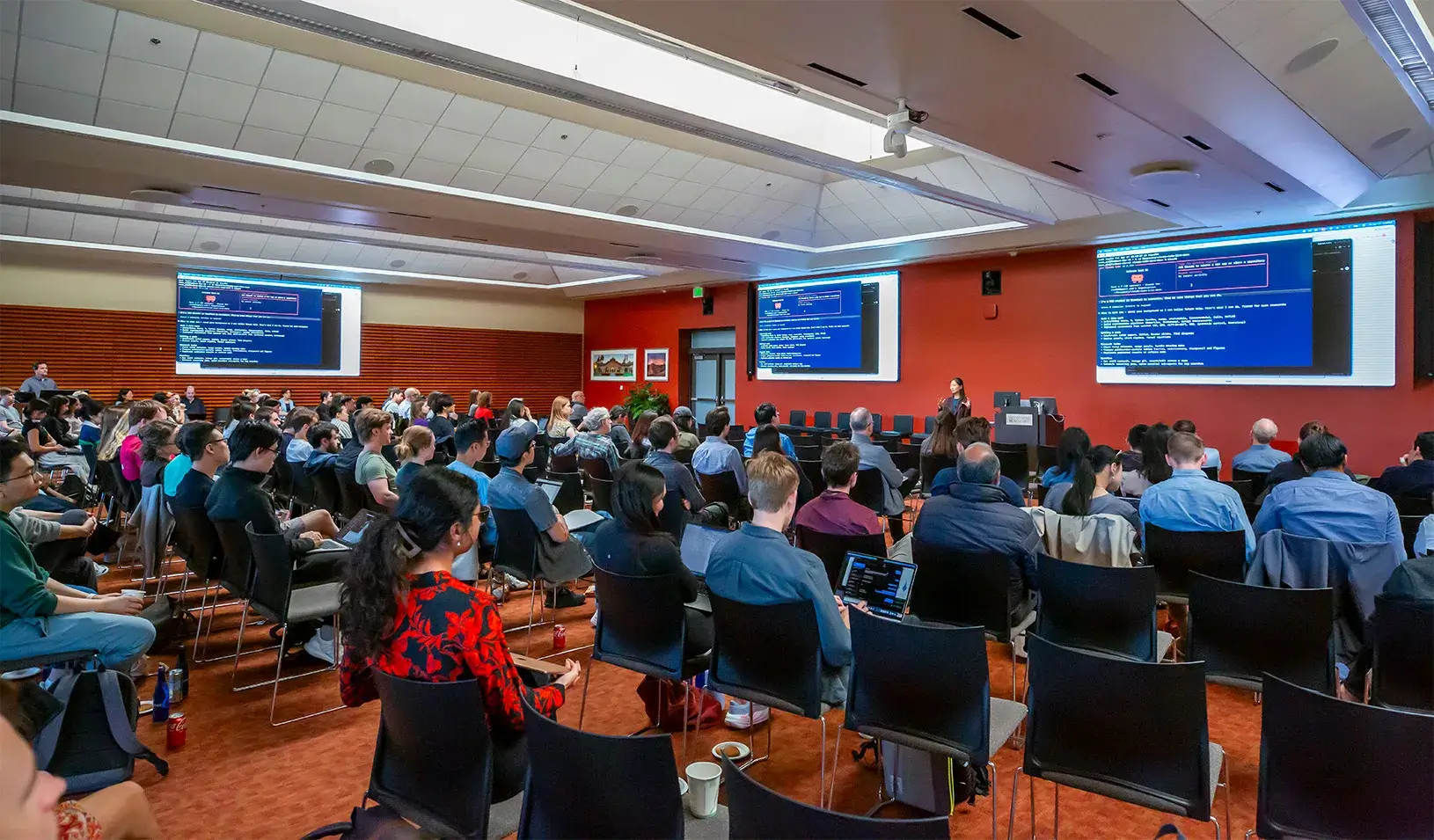
AI Will Test Governments on Jobs, Training, and Public Trust
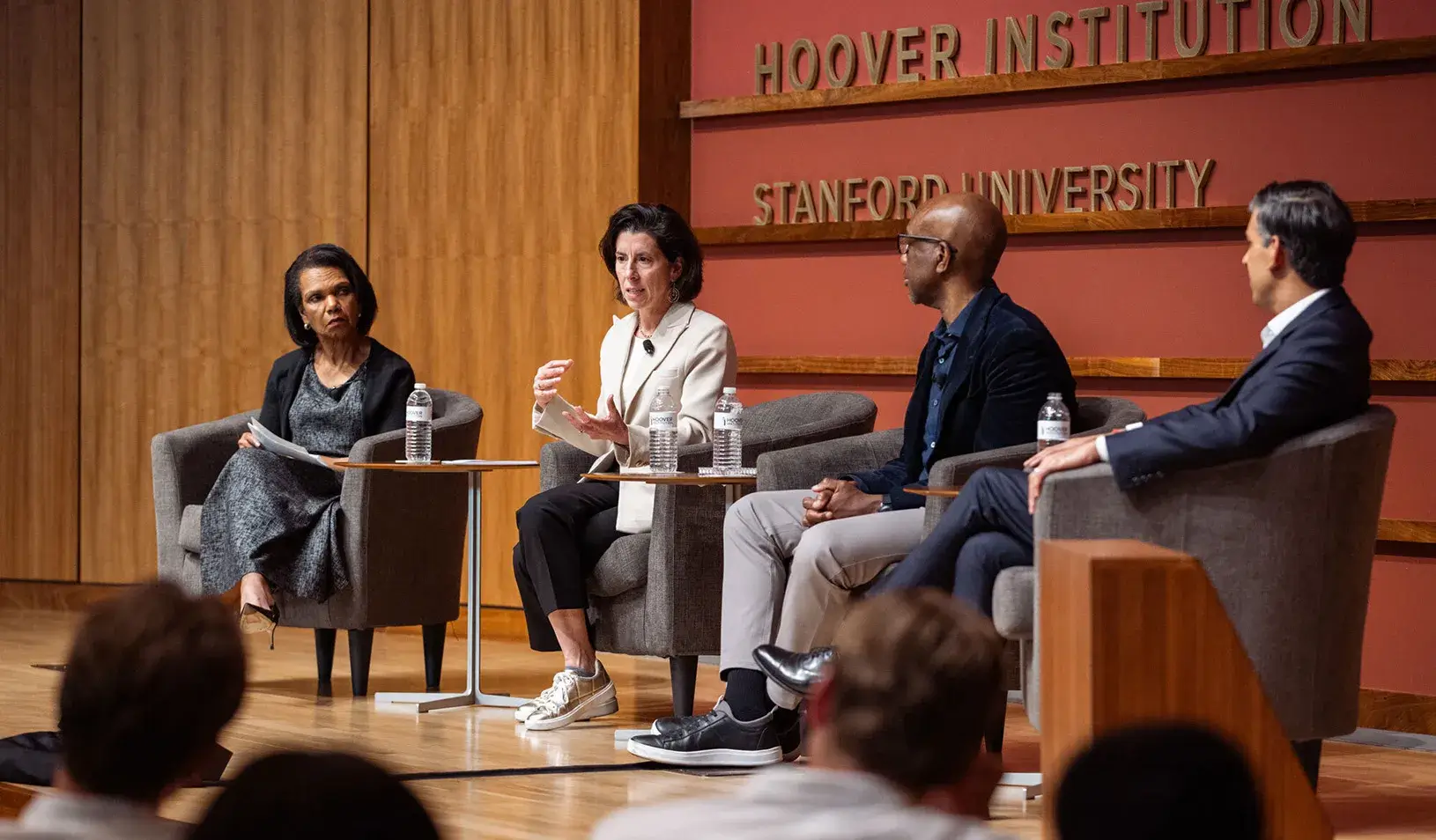
This Could Change How You Think About Every Decision You Make
